Best suburbs to invest in Darwin 2026

Key takeaways
- The picks: Ten suburbs across Darwin's Palmerston corridor and inner-city north make this year's list, with house medians ranging from $575,000 to $915,000 and unit medians from $380,300 to $555,000.
- Who they suit: Growth and yield investors with a mid-to-long horizon, particularly those priced out of southern capitals.
- Market conditions: Darwin values rose +16.3 per cent in the year to July 2026, on Cotality's figures, with a vacancy rate of just 0.3 per cent and a city-wide gross yield of 6.2 per cent.
- The forecast: Major forecasters expect further growth in 2026, ranging from +8 per cent to +13.4 per cent for units, though interest rates and affordability constraints could slow the pace.
- The trade-off: Suburbs with the strongest yields tend to carry thinner recent growth, and the highest-growth picks often come with the lowest income returns.
Why invest in Darwin now?
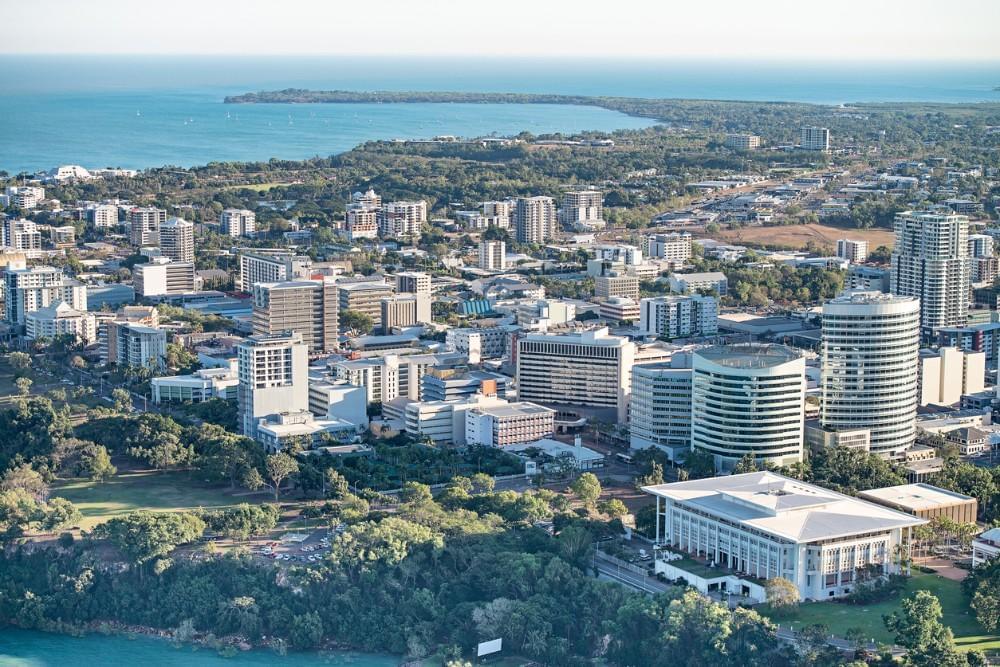
While Sydney and Melbourne have dominated headlines for falling values, Darwin has been moving in the opposite direction. The case for investors is straightforward: strong growth, yields that most southern capitals cannot match, and a rental market with almost nothing available to rent.
Cotality's Home Value Index put Darwin's city-wide dwelling values up +16.3 per cent over the 12 months to July 2026, with units leading at +19.8 per cent and houses up +14.8 per cent. Supply is the main reason values have held up. The NT Government titled 133 new residential lots in a single day in March 2026, and housing-sector construction rose +18 per cent to $347 million in the year to the March quarter. Even so, demand is outrunning it. Population growth continues, and a long infrastructure pipeline centred on Darwin Harbour supports longer-term confidence, even as several projects are yet to reach final investment decisions.
The rental market is the bright spot for landlords. SQM Research put the vacancy rate at just 0.3 per cent in July 2026, meaning almost every available rental is taken the moment it lists, so finding a tenant is rarely the problem here. Gross rental yield across the city sits at 6.2 per cent, on Cotality's figures, and that is the number to judge every suburb below against. SQM Research Managing Director Louis Christopher said: "we are seeing particularly strong annual increases in Darwin and Hobart, where vacancy rates remain very low."
Sentiment among sellers and investors is firmly positive. Well-presented homes are drawing genuine competition, and local practitioners describe the current phase as driven by owner-occupiers and yield-focused investors rather than speculation. ANZ has noted, though, that thin listings conditions are a buffer rather than a permanent shield, and that higher interest rates and affordability constraints could weigh on the market as the year progresses.
A free property report gives you a rundown of any suburb on this list: recent comparable sales, average days on market, suburb statistics and an estimated property value, at no cost and with no obligation.

Darwin real estate forecast and price expectations 2026
Darwin property market predictions for 2026 are constructive across the major forecasters, though the range is wide. KPMG is the most bullish, tipping houses up +10.5 per cent and units up +13.4 per cent for the calendar year. ANZ Research's Housing Outlook (the second half of 2026) puts growth at +9.2 per cent, while CBA's Housing Update (the first half of 2026) sits at +8 per cent.
| Source | 2026 forecast | 2027 forecast |
|---|---|---|
| ANZ | +9.2% | -3.8% |
| CBA | +8.0% | +3.0% |
The three forecasters agree on 2026 but split sharply on 2027. ANZ Research forecasts a fall of -3.8 per cent, while CBA expects a further gain of +3 per cent. KPMG anticipates more moderate growth of +3 to +4 per cent. KPMG Chief Economist Brendan Rynne said Darwin is "well-positioned for strong growth over the next two years", pointing to the infrastructure pipeline, defence industries and rental yields as the drivers.
The main risk is interest rates. All four big banks expect their next move to be a cut to 4.1 per cent, though none sees that happening before mid-2027, per Canstar. Until then, borrowing costs stay elevated, and affordability constraints could take some heat out of price growth. ANZ has flagged that Darwin's current momentum may moderate as the year progresses.
Wherever you are in the research process, seeing more of the market before committing is worth doing. OpenAdvantage is OpenAgent's buyer network: it gives you early access to thousands of off-market properties, homes whose owners are ready to sell but haven't listed publicly yet, at no cost.

How we chose the best suburbs in Darwin
OpenAgent's data team ranks suburbs using a scoring model built on sales and rental records. The model is growth-led: recent and longer-term price growth carry the most weight, with days on market, listings volume and rental yield each playing a smaller role.
The rankings use sales and rental data for the 12 months to 30 June 2026. Growth figures compare that period with the previous 12 months and the equivalent period five years earlier. Each suburb is ranked on its stronger property type, house or unit.
A few honest caveats: gross rental yield is an estimate based on all properties in a suburb, not only rented ones. Suburbs with fewer than about 10 sales are excluded, and some datapoints are omitted where data is too thin. Regional NT is excluded entirely.
General information only, not financial advice. Figures are estimates and past performance is not a reliable indicator of future results. Always seek independent advice.
Darwin's best suburbs to invest in 2026
Ten suburbs make this list, six houses and four units. Each is profiled individually after the comparison table. Across the picks, the strongest growth tends to come with more modest yields, while the best income generally belongs to the more affordable suburbs.
| Suburb | Postcode | Type | Median price | 12m growth | 5y growth | Median rent (pw) | Gross yield |
|---|---|---|---|---|---|---|---|
| Moulden | 830 | House | $577,500 | +31.2% | +63.8% | $600 | 5.8% |
| Johnston | 832 | Unit | $486,088 | +25.9% | +65.6% | $588 | 6.8% |
| Woodroffe | 830 | House | $620,000 | +30.5% | +57.0% | $640 | 5.5% |
| Ludmilla | 820 | House | $915,000 | +28.4% | +62.4% | $750 | 4.8% |
| Gray | 830 | House | $575,000 | +29.2% | +57.5% | $600 | 5.6% |
| The Gardens | 820 | Unit | $555,000 | +26.5% | +52.1% | $590 | 6.3% |
| Leanyer | 812 | Unit | $430,000 | +26.5% | +50.9% | $550 | 6.8% |
| Gunn | 832 | House | $700,000 | +28.1% | +42.9% | $700 | 5.5% |
| Durack | 830 | House | $735,000 | +25.6% | +44.1% | $725 | 5.8% |
| Millner | 810 | Unit | $380,300 | +18.8% | +60.1% | $550 | 7.6% |
Source: OpenAgent data.

1. Moulden 830
Moulden sits in Palmerston, the satellite city about 20 kilometres south of Darwin's CBD, where newer housing stock and more land availability have drawn strong buyer interest. Prices rose +31.2 per cent over the past year to a median of $577,500, the strongest twelve-month growth of the ten picks, and homes here sell in about three weeks.
Five-year growth of +63.8 per cent, the strongest five-year growth of the six house picks, backs the short-term story with a longer record. The gross yield is 5.8 per cent. The market is small enough that a couple of quiet months can shift the median noticeably.
- Strengths: Exceptional growth across both the short and long term, with yields that comfortably beat most of the picks.
- Risks and considerations: A thin transaction volume means one slow quarter can move the median, and prior-year comparison data is limited.
- Best suited for: Growth-focused investors who also want a meaningful income return and can accept a smaller, less liquid market.
2. Johnston 832
Johnston is a modern suburb in Palmerston, built largely over the past two decades, with a mix of townhouses and low-maintenance units that appeal to young families and defence personnel. The median is $486,088 after growth of +25.9 per cent over the past year, and selling pace has tightened sharply: days on market fell -51 per cent, from 48 days to 23.5.
Five-year growth of +65.6 per cent is the strongest of the ten picks, and the gross yield is 6.8 per cent. Prior-year listings data is unavailable, so it is hard to judge whether supply is tightening or holding steady.
- Strengths: An exceptional long-run growth record, paired with a yield well above the city-wide average.
- Risks and considerations: A small pool of comparable sales and limited supply data make the median harder to read with confidence.
- Best suited for: Investors who want both a strong income return and a proven long-term growth record, and who are comfortable with a smaller market.
3. Woodroffe 830
Woodroffe is an established Palmerston suburb with a mix of family homes on generous blocks, sitting close to schools, parks and local shops. Prices rose +30.5 per cent over the past year to $620,000, and homes here are selling in 15 days, among the fastest on the list.
The gross yield of 5.5 per cent is solid, and with 32 listings over the year it is one of the better-supplied house picks. Prior-year comparison data is unavailable for both days on market and listings, so trend direction cannot be confirmed.
- Strengths: Outstanding recent price growth combined with very fast selling conditions points to genuine buyer demand.
- Risks and considerations: Limited historical comparison data makes it harder to judge whether current conditions represent an acceleration or a continuation.
- Best suited for: Growth-oriented investors looking for an established Palmerston address with strong recent momentum.
4. Ludmilla 820
Ludmilla is a quiet, leafy suburb about five kilometres from Darwin's CBD, drawing owner-occupiers and professionals to its mix of older and renovated character homes. Its median price of $915,000 is the highest of the ten picks, after growth of +28.4 per cent over the past year, and homes are selling in 20 days, down from 34 a year ago.
Listings fell -15.4 per cent compared with a year ago, giving sellers more leverage. The gross yield of 4.8 per cent is the lowest of the ten picks, which means the rent alone will not cover the costs of owning at this price point. The investment depends on prices continuing to grow.
- Strengths: A premium inner-Darwin location with strong recent growth and sharply faster selling conditions.
- Risks and considerations: The most demanding entry price on the list paired with the thinnest yield means this investment depends heavily on continued price growth.
- Best suited for: Well-capitalised investors focused on long-term capital growth in a quality inner-city asset.
5. Gray 830
Gray is a well-established Palmerston suburb, close to Palmerston's commercial centre and easy road access to Darwin. Prices rose +29.2 per cent over the past year to $575,000, and homes are selling in 9.5 days, the shortest of the ten picks: buyers here are moving very quickly.
Listings over the past year are the smallest of the six house picks, which helps explain the pace. The gross yield is 5.6 per cent. Prior-year days on market and listings trend data are unavailable, so the full picture on whether conditions are tightening further is incomplete.
- Strengths: The fastest selling conditions on the list point to concentrated, motivated buyer demand in a suburb with limited stock.
- Risks and considerations: Very thin listing volumes mean the median can shift meaningfully on a handful of sales, and comparison data is limited.
- Best suited for: Investors who want a tightly held, fast-moving Palmerston suburb with solid yields and strong recent growth.
6. The Gardens 820
The Gardens sits just west of Darwin's CBD, close to the botanic gardens and the waterfront, and draws buyers who want an inner-city lifestyle with easy access to the city's amenities. Its median of $555,000, the highest entry price of the four unit picks, reflects growth of +26.5 per cent over the past year, and units here now sell in just 10 days, down from 27 a year ago.
Listings rose about 30 per cent compared with a year ago, giving buyers slightly more choice even as selling pace accelerated. At 6.3 per cent, the gross yield is the lowest of the four unit picks, the price paid for a location this close to the water and the city.
- Strengths: A prime inner-Darwin location with dramatically faster selling conditions and strong recent price growth.
- Risks and considerations: A high entry price paired with the thinnest unit yield means rental income alone is unlikely to cover ownership costs.
- Best suited for: Growth-focused investors who want a well-located inner-city unit and can accept a thinner income return.
7. Leanyer 812
Leanyer is a quiet, leafy suburb in Darwin's north, about 12 kilometres from the CBD, close to the Casuarina shopping and services precinct. The median reached $430,000 after growth of +26.5 per cent over the past year, and days on market fell -43.1 per cent, from 51 days to 29.
Listings fell -28.6 per cent over the past year, and with listings at the smallest of the ten picks, this is a thinly traded market where a handful of sales sets the median. Five-year growth of +50.9 per cent is the weakest of the four unit picks, though the gross yield of 6.8 per cent is strong.
- Strengths: A genuinely affordable entry price, a high yield and improving selling pace in a tightly held market.
- Risks and considerations: Very few transactions set the median here, so one unusual sale can move it meaningfully, and the long-run growth record trails the other unit picks.
- Best suited for: Yield-focused investors comfortable with a small, less liquid market.
8. Gunn 832
Gunn is a family-friendly Palmerston suburb with a mix of modern homes and townhouses, close to schools and the Palmerston City Centre. Prices rose +28.1 per cent over the past year to $700,000, and homes are selling in 15 days, among the quicker results on the list.
Listings rose +44.1 per cent compared with a year ago, which gives buyers more choice now but also means more stock to compete against at resale. Five-year growth of +42.9 per cent is the weakest of the ten picks, and the gross yield is 5.5 per cent.
- Strengths: Strong recent price growth in an active, well-supplied market with good family amenity and fast selling conditions.
- Risks and considerations: A modest long-run growth record, and rising listing volumes mean sellers may face more competition at resale.
- Best suited for: Investors comfortable with a larger, more liquid market and a shorter investment horizon focused on recent momentum.
9. Durack 830
Durack is a well-established Palmerston suburb with broad housing stock and good road links into Darwin. Prices rose +25.6 per cent over the past year to $735,000, and while that is the weakest of the six house picks, the five-year record of +44.1 per cent shows a steadier long-run trend.
Selling conditions have tightened sharply: days on market fell -55.4 per cent, from 46 days to 20.5. Listings fell -16.4 per cent compared with a year ago, yet the listing pool remains the largest of the ten picks, giving buyers more choice than anywhere else on this list.
- Strengths: A large, liquid market with meaningfully faster selling conditions and a solid rental income return.
- Risks and considerations: The most modest recent price growth of the house picks, and a higher entry price relative to other Palmerston options.
- Best suited for: Investors who want a larger, more established Palmerston suburb with genuine depth of stock and a balanced income and growth profile.
10. Millner 810
Millner is a small, quiet suburb in Darwin's inner north, close to Casuarina and about eight kilometres from the CBD. Its median of $380,300 is the lowest entry price of the ten picks, after twelve-month growth of +18.8 per cent.
The longer record is more compelling: five-year growth of +60.1 per cent, and a gross yield of 7.6 per cent, the best income return of the ten picks. Few Darwin suburbs offer that combination at this price point. Listings fell -37.5 per cent compared with a year ago, and homes are now selling in 32.5 days, well inside the prior year's 55.
- Strengths: The most accessible entry price on the list, paired with an exceptional rental income that few Darwin suburbs match.
- Risks and considerations: Recent price growth is modest, and with few transactions setting the median, results can shift meaningfully from one period to the next.
- Best suited for: Yield-focused investors seeking an affordable Darwin foothold who are prepared to hold through softer short-term price movement.
The bottom line
Darwin's case in 2026 is built on real numbers: city-wide values up +16.3 per cent over the past year, a vacancy rate of 0.3 per cent, and forecasters from CBA to KPMG pointing to further gains, even as interest rates and affordability keep a ceiling on how far momentum can run.
The suburbs that screened well span a wide range of entry prices and yield levels, but the consistent thread is tight supply pressing against steady demand. At this price point and yield level, the rent covers a good portion of ownership costs, but the long-term hold still matters for the full return.
Explore suburb profiles to dig into the numbers before you decide.
Is Darwin a good place to invest in 2026?
Darwin is one of the strongest-performing capital city markets in the country right now. Values are up +16.3 per cent over the year to July 2026, vacancy is near-zero, and yields are well above those you would find in Sydney or Melbourne. The case rests on tight supply, genuine population growth, and a long infrastructure pipeline, not on a single data point or a short-lived surge.
 - https://sketch.com --%3e %3ctitle%3eicons / icon-chevron-down%3c/title%3e %3cdesc%3eCreated with Sketch.%3c/desc%3e %3cg id='icons-/-icon-chevron-down' stroke='none' stroke-width='1' fill='none' fill-rule='evenodd'%3e %3crect id='Icon-container' x='0' y='0' width='24' height='24'%3e%3c/rect%3e %3cpolygon id='Shape' fill='%2300AB55' points='12 14.3357864 5.20710678 7.54289322 3.79289322 8.95710678 12 17.1642136 20.2071068 8.95710678 18.7928932 7.54289322'%3e%3c/polygon%3e %3c/g%3e%3c/svg%3e)
Should I focus on capital growth or rental yield in Darwin?
In Darwin, you do not have to give up much of one to get the other. The city-wide gross yield sits at 6.2 per cent, and every suburb on this list cleared 4.8 per cent. The screen that produced this list is growth-led, so the picks are ranked on price performance first. If income is your priority, the unit picks are worth a close look: their yields run higher than the houses, and the entry prices are lower.
Is it better to buy a house or a unit in Darwin?
Both property types have performed strongly, and the averages are closer than you might expect. Over twelve months, the six house picks averaged +28.8 per cent growth and the four unit picks averaged +24.4 per cent. Flip to five years and the picture reverses slightly: units averaged +57.2 per cent against houses at +54.6 per cent. Houses lead over the short term; units and houses are about level over five years. Which suits you better depends largely on your budget and yield target.
What budget do I need to invest in Darwin?
The median prices across the ten picks range from $380,300 (Millner units) to $915,000 (Ludmilla houses). Most of the house picks sit between $575,000 and $735,000, while units range from $380,300 to $555,000. These are suburb medians, not the cheapest available property, so individual purchases can come in above or below.
Get a free property report to check recent comparable sales and an estimated value for any suburb on the list before you commit.
How did OpenAgent choose these suburbs?
The picks come from a growth-led screen applied to Darwin's metropolitan suburbs, with a minimum sales threshold to make sure the figures are statistically meaningful. The methodology section above sets out exactly how it works.