Best suburbs to invest in Hobart 2026

Key takeaways
- The picks: Ten suburbs across Hobart's northern corridor, eastern shore and inner city make this year's list, with house medians ranging from $540,000 to $1,051,000 and one unit pick at $483,750.
- Who they suit: Investors looking for yield above the city average, long-run capital growth, or both, at price points well below the mainland capitals.
- Market conditions: Hobart dwelling values are up +9.3 per cent over the year to July 2026, the rental vacancy rate sits at just 0.6 per cent, and very little stock is coming to market.
- The forecast: The big four banks expect growth of between +1 and +5 per cent for 2026, with SQM Research's base case at 4 to 7 per cent.
- The trade-off: The highest-yielding picks tend to be smaller, thinner markets where a handful of sales can shift the median, so liquidity is the price of income here.
Why invest in Hobart now?
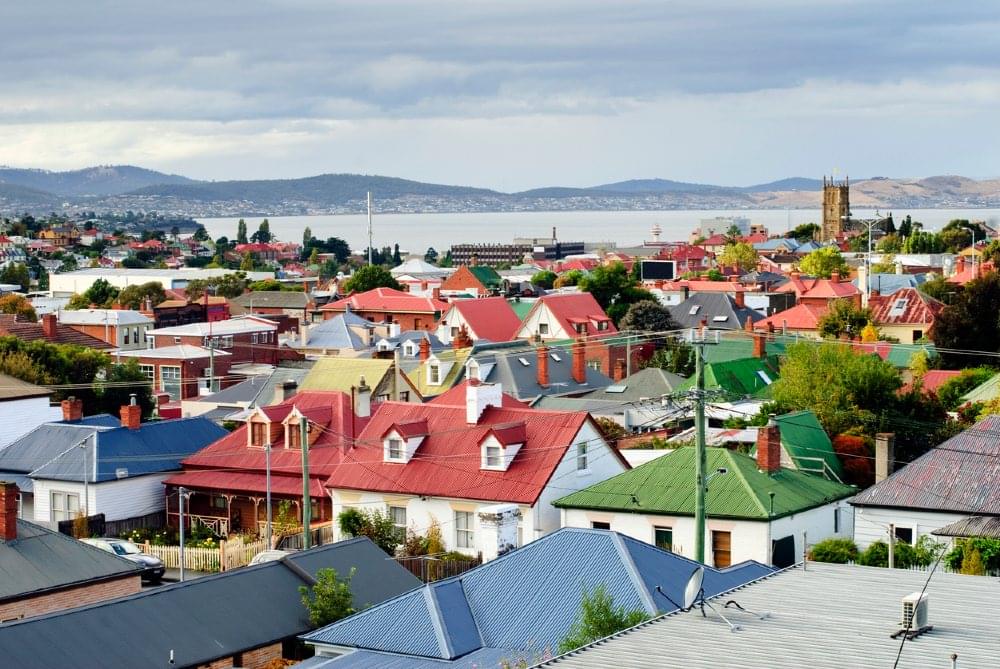
Hobart has had a long run, and most people know it. What is less obvious is that the market is now consolidating in a way that suits investors: affordable suburbs are leading growth, stock is tightly held, and rents are at record levels.
Cotality's Home Value Index puts Hobart dwelling values up +9.3 per cent over the year to July 2026, with houses up +9.5 per cent to a median of $805,165 and units up +8.1 per cent. Growth is concentrated at the affordable end: the northern suburbs are outperforming, helped by the New Bridgewater Bridge, which opened in June 2025, and the $1.13 billion Macquarie Point AFL stadium, which received final parliamentary approval in December 2025 and began earthworks in July 2026. Tasmania's population grew just +0.5 per cent over the year to December 2025, the slowest of any state on ABS figures, which keeps demand modest. Very little stock is coming to market, though, and that shortage is doing most of the work on prices.
The rental market is one of the tightest in the country. SQM Research puts the city-wide vacancy rate at just 0.6 per cent in July 2026, which means there is almost nothing available to rent, and landlords are firmly in the driving seat on rent. Domain's Nicola Powell, chief of research and economics, noted the effect: "It's now actually the sixth consecutive quarter of rental growth, which means that house rents across the greater Hobart area are at a record high of $600 a week." The city-wide gross yield sits at 4.3 per cent on Cotality's figures, and several of the suburbs in this list beat that comfortably.
Sentiment is measured. Real Estate Institute of Tasmania president Russell Yaxley described the market as "steady, after many years of strong growth, it's now consolidating, with affordability pressures and limited new stock keeping price movement modest compared to the mainland capitals." For buyers, that means less competition and more time to do proper research.
If you are sizing up a suburb on this list, a free property report gives you recent comparable sales, suburb statistics, average days on market and an estimated value, at no cost and with no obligation.

Hobart forecast and price predictions for 2026
Hobart property market predictions for 2026 point to steady, positive growth. Cotality's Home Value Index puts the city-wide median dwelling value at $756,951 as at July 2026, up +9.3 per cent over the year. The big four banks all expect further growth, though they differ on how much.
| Source | 2026 forecast | 2027 forecast |
|---|---|---|
| ANZ | +3.6% | -3.0% |
| CBA | +4.0% | +2.0% |
| Westpac | +1.0% | +3.0% |
| NAB | +5.0% | +2.0% |
NAB is the most bullish, forecasting +5 per cent for 2026, per NAB's Housing Monitor. CBA's Housing Update sits at +4 per cent, ANZ Research's Housing Outlook at +3.6 per cent, and Westpac's Housing Pulse is the most conservative at +1 per cent. For 2027, the banks split: ANZ expects a fall of -3 per cent, while CBA, NAB and Westpac each forecast positive growth.
SQM Research's Louis Christopher put the base case at 4 to 7 per cent growth in Hobart dwelling values for 2026. Interest rates are the key variable: all four banks expect the cash rate to sit at 4.1 per cent after their next predicted cut, with those cuts ranging from May to August 2027, according to Canstar. Tight supply keeps the floor firm, but affordability constraints mean growth is most likely concentrated in the more affordable northern suburbs rather than spread evenly across the city.
Deciding when to act is easier when you can see what is available before everyone else does. OpenAdvantage is OpenAgent's buyer network: it gives you early access to thousands of off-market properties, homes whose owners are ready to sell but haven't listed publicly yet, at no cost.
How we chose the best suburbs in Hobart
OpenAgent's data team ranks suburbs using a scoring model built on sales and rental records. The model is growth-led: recent and longer-term price growth carries the most weight, with days on market, listings volume and rental yield each contributing a smaller amount.
The rankings use sales and rental data for the 12 months to 30 June 2026. Growth figures compare that period with the previous 12 months and the equivalent period five years earlier. Each suburb is ranked on its stronger property type, house or unit.
A few caveats to keep in mind: gross rental yield is an estimate based on all properties in a suburb, not only rented ones. Suburbs with fewer than about 10 sales are excluded, and some individual datapoints are omitted where data is too thin to be reliable.
General information only, not financial advice. Figures are estimates and past performance is not a reliable indicator of future results. Always seek independent advice.
Hobart's best suburbs to invest in 2026
Ten suburbs make this list, nine houses and one unit. Each is profiled individually after the comparison table. Across the picks, the suburbs with the strongest recent growth tend to carry thinner yields, while the better-yielding picks generally show more modest price gains.
| Suburb | Postcode | Type | Median price | 12m growth | 5y growth | Median rent (pw) | Gross yield |
|---|---|---|---|---|---|---|---|
| Risdon Vale | 7016 | House | $540,000 | +16.9% | +44.8% | $550 | 5.3% |
| Goodwood | 7010 | House | $635,000 | +16.5% | +48.2% | $580 | 4.9% |
| Mornington | 7018 | House | $690,000 | +15.2% | +42.9% | $573 | 4.2% |
| Glenorchy | 7010 | House | $642,000 | +14.6% | +42.7% | $580 | 4.7% |
| Warrane | 7018 | House | $620,450 | +12.8% | +42.9% | $550 | 4.8% |
| Moonah | 7009 | Unit | $483,750 | +15.7% | +50.0% | $440 | 4.7% |
| Rosetta | 7010 | House | $718,750 | +16.9% | +30.7% | $600 | 4.3% |
| Lutana | 7009 | House | $680,750 | +11.4% | +38.9% | $595 | 4.6% |
| Montrose | 7010 | House | $684,000 | +14.0% | +31.5% | $580 | 4.6% |
| Mount Nelson | 7007 | House | $1,051,000 | +14.2% | +37.4% | $600 | 3.0% |
Source: OpenAgent data.
1. Risdon Vale 7016
Risdon Vale sits in Hobart's affordable northern corridor, a quiet residential suburb about 10 kilometres from the CBD with a mix of older brick homes and decent land sizes. Prices rose +16.9 per cent over the past year to a median of $540,000, and homes are selling in 21 days, roughly half the time it took a year ago.
The yield is worth noting too. At 5.3 per cent, it is the highest gross yield of the ten picks, which is unusual in a suburb that has also delivered strong recent price growth. Usually you trade one for the other; here you get both.
- Strengths: Rare combination of strong recent price growth and the best rental income on the list.
- Risks and considerations: A small, affordable market where limited sales can move the median significantly from quarter to quarter.
- Best suited for: Investors who want both income and growth, and are comfortable with a more modest entry-level suburb.
2. Goodwood 7010
Goodwood is a compact, tightly held suburb in Hobart's northern belt, close to Glenorchy and within easy reach of the CBD via the main highway. Its five-year growth of +48.2 per cent is the strongest five-year growth of the nine house picks, and prices rose a further +16.5 per cent over the past year to a median of $635,000.
The watch-point is selling pace. Homes are taking 33 days to sell, up from 25 a year ago. Very few properties change hands here, which makes this one of the thinnest markets on the list and means one slow quarter can pull the figures in either direction.
- Strengths: An exceptional long-run growth record, in a suburb where stock rarely comes to market.
- Risks and considerations: A very shallow market where longer selling times are emerging and one slow quarter can distort the figures.
- Best suited for: Patient, long-hold investors focused on capital growth rather than quick resale.
3. Mornington 7018
Mornington is an established eastern-shore suburb, well connected to the city and popular with families for its schools, parks and relatively spacious housing stock. Prices rose +15.2 per cent over the year to $690,000, and homes are selling in 21 days, faster than the 26 days recorded a year ago.
The yield of 4.2 per cent is modest relative to the northern picks but sits comfortably above the city-wide average of 4.3 per cent. Listings edged up slightly compared with a year ago, giving buyers a little more room than is typical in Hobart.
- Strengths: Fast-selling, family-oriented suburb with consistent growth and a rental yield above the city-wide average.
- Risks and considerations: Gently rising listing volumes mean buyers may have slightly more negotiating room, which could moderate near-term price momentum.
- Best suited for: Investors seeking a reliable, well-rounded hold with broad tenant appeal.
4. Glenorchy 7010
Glenorchy is Hobart's most active suburban house market, a well-serviced centre north of the CBD with retail, health and community infrastructure that makes it genuinely self-contained. Prices rose +14.6 per cent over the year to $642,000, and homes are selling in 23.5 days, down from 30 days a year ago, meaning buyers are moving faster than they were twelve months ago.
The gross yield sits at 4.7 per cent against a median rent of $580 a week, making the income case solid. Listings here are the largest of the ten picks, so resale competition is real and future supply from an active development pipeline is worth watching.
- Strengths: Hobart's deepest and most liquid house market, with strong rent growth and near-zero vacancy.
- Risks and considerations: A large listing pool means genuine resale competition, and an active development pipeline adds future supply pressure.
- Best suited for: Investors who want both income and liquidity, and enough market depth to enter and exit on reasonable terms.
5. Warrane 7018
Warrane is a small, quiet suburb on Hobart's eastern shore, sitting close to Mornington and within a short drive of the CBD via the Eastern Arterial Road. Prices rose +12.8 per cent over the past year to $620,450, and listings fell -35.6 per cent compared with a year ago. Less stock on the market tends to support prices when it comes time to sell.
Homes are taking 32.5 days to sell, up from 26 a year ago. The yield of 4.8 per cent is solid, though the shallow market means the figures can shift on a small number of sales.
- Strengths: Tightening supply and a competitive yield in a suburb with eastern-shore appeal and easy city access.
- Risks and considerations: A thin market where longer selling times are emerging and a small number of sales can move the median.
- Best suited for: Yield-focused investors comfortable with a compact, quieter suburb where patience at resale may be needed.

6. Moonah 7009
Moonah sits just north of Hobart's CBD, a mixed suburb with local shops, cafes and good transport links that have drawn buyers well beyond the entry-level market. The median unit price rose +15.7 per cent over the past year to $483,750, and five-year growth of +50 per cent is the strongest of the ten picks.
Units here are taking 44 days to sell, with no prior-year figure available to judge whether that pace is shifting. The gross yield of 4.7 per cent is competitive at this price point.
- Strengths: Strong long-run growth in a well-connected suburb close to the CBD, at an accessible entry price.
- Risks and considerations: Units are taking longer to sell than most picks on the list, and without a year-ago benchmark it is hard to know whether pace is improving or worsening.
- Best suited for: Entry-level investors focused on long-run capital growth who want a foothold close to the city.
7. Rosetta 7010
Rosetta is a leafy, residential suburb in Hobart's northern corridor, close to Glenorchy and backing onto bushland on its western edge. Prices rose +16.9 per cent over the past year to a median of $718,750, though its five-year growth of +30.7 per cent is the weakest of the ten picks.
Homes are taking 34.5 days to sell, the longest of the nine house picks, down from 37 days a year ago. The yield sits at 4.3 per cent, and the long-run growth record is the honest watch-point here.
- Strengths: Strong recent price growth in a leafy, well-located suburb with good access to Glenorchy's amenity.
- Risks and considerations: A slower selling pace than the other house picks, and a five-year growth record that trails the rest of the list.
- Best suited for: Investors who value lifestyle-driven demand and a more settled, residential feel over maximum growth momentum.
8. Lutana 7009
Lutana is a compact suburb just north of Hobart's city centre, sitting alongside the Derwent River and within easy reach of Moonah's shops and services. Prices rose +11.4 per cent over the past year to $680,750, and homes are selling in 22.5 days, a touch faster than the 23 days recorded a year ago.
The yield of 4.6 per cent is a genuine draw, and the five-year record of +38.9 per cent shows the suburb has built value steadily over time. Recent twelve-month growth, while positive, has been more measured than some investors will be looking for.
- Strengths: River proximity, solid rental yield and a market that has delivered steady, consistent growth over the medium term.
- Risks and considerations: Recent price growth has been modest, and with no year-on-year listings trend available, supply dynamics are harder to read than in most suburbs on this list.
- Best suited for: Income-focused investors who value a reliable yield and manageable entry price over fast capital growth.
9. Montrose 7010
Montrose is a quiet, semi-rural suburb on Hobart's northern fringe, close to Glenorchy but with a more relaxed, spacious feel and larger blocks than its urban neighbours. Prices rose +14 per cent over the past year to $684,000. Listings edged up slightly compared with a year ago, which gives buyers a little more room to negotiate than most markets on this list.
Homes are taking 31 days to sell, up from 24.5 days a year ago, a shift worth watching in a suburb with a limited transaction base. The yield of 4.6 per cent sits in line with the middle of the picks.
- Strengths: Larger blocks and a more spacious character than most northern suburbs, with solid recent growth and competitive yield.
- Risks and considerations: Selling times have lengthened noticeably over the past year, and rising listings give resale less urgency than some neighbouring markets.
- Best suited for: Long-hold investors who value space and a quieter setting, and are less concerned with near-term liquidity.
10. Mount Nelson 7007
Mount Nelson sits on the slopes above South Hobart, one of Hobart's most sought-after addresses, with sweeping views over the Derwent and easy access to Mount Wellington. The median price rose +14.2 per cent over the past year to $1,051,000, the highest entry price of the ten picks, and listings fell -33.3 per cent compared with a year ago, keeping stock tight.
The gross yield is 3 per cent, the lowest of the ten picks, which means the rent will not come close to covering the costs of ownership at this price point, so the investment relies heavily on prices continuing to grow. Homes are taking 34 days to sell, up from 24 days a year ago, so buyers have gained some room to negotiate.
- Strengths: One of Hobart's prestige addresses, with tightly held stock and owner-occupier demand that provides a durable price floor.
- Risks and considerations: The thinnest rental income on the list and a meaningful entry price, in a market where selling times have lengthened.
- Best suited for: Wealthier, growth-focused investors with a long horizon who value prestige location over rental income.
The bottom line
Hobart is a market with real momentum in 2026: values are rising, rents are at record levels, and the suburbs that screened best are delivering both income and growth rather than asking you to choose between them.
The picks span a wide price range, from Risdon Vale's $540,000 median to Mount Nelson's $1,051,000, but the common thread is tight supply. Every suburb on this list has very little stock to choose from, and that scarcity is doing most of the work on prices.
Explore suburb profiles to dig into prices, growth and rental data for any suburb on the list.
Is Hobart a good place to invest in 2026?
The fundamentals point to yes, with some caveats. Hobart's vacancy rate sat at just 0.6 per cent in July 2026, supply is tightly held across the board, and dwelling values rose +9.3 per cent over the year to July. Growth is concentrated at the affordable end of the market, and the suburbs on this list averaged well above that city-wide figure. The Macquarie Point stadium and improved northern connectivity give the medium-term case more substance than most smaller capitals can point to right now.
 - https://sketch.com --%3e %3ctitle%3eicons / icon-chevron-down%3c/title%3e %3cdesc%3eCreated with Sketch.%3c/desc%3e %3cg id='icons-/-icon-chevron-down' stroke='none' stroke-width='1' fill='none' fill-rule='evenodd'%3e %3crect id='Icon-container' x='0' y='0' width='24' height='24'%3e%3c/rect%3e %3cpolygon id='Shape' fill='%2300AB55' points='12 14.3357864 5.20710678 7.54289322 3.79289322 8.95710678 12 17.1642136 20.2071068 8.95710678 18.7928932 7.54289322'%3e%3c/polygon%3e %3c/g%3e%3c/svg%3e)
Should I focus on capital growth or rental yield in Hobart?
This list is built around growth first, and the picks reflect that. Yields across the ten suburbs range from 3 per cent to 5.3 per cent, with most sitting between 4 and 5 per cent, comfortably above the city-wide average of 4.3 per cent. If income matters more to you than growth, the higher-yielding picks are worth a closer look, but the strongest recent price momentum sits in the affordable northern suburbs rather than the highest-yielding ones.
Is it better to buy a house or a unit in Hobart?
The list has nine house picks and one unit pick, which reflects where the growth data points most clearly. Over the past twelve months, houses across the nine picks averaged +14.7 per cent growth; the single unit pick, Moonah, returned +15.7 per cent over the same period and +50 per cent over five years, the strongest five-year figure on the list. With only one unit pick, a direct comparison is not meaningful: the house picks show a consistent five-year average of +40 per cent, which is the more reliable signal for a growth-led strategy.
What budget do I need to invest in Hobart?
Entry points on this list range from $483,750 (Moonah units) to $1,051,000 (Mount Nelson houses), with most house picks sitting between $540,000 and $720,000. These are suburb medians, not the cheapest properties available: individual sales within each suburb will be spread around that figure in both directions.
Get a free property report to check recent comparable sales and an estimated value for any specific property you are sizing up.
How did OpenAgent choose these suburbs?
The screen is growth-led: suburbs are ranked primarily on recent and longer-run price growth, subject to a minimum number of sales to ensure the figures are reliable. The methodology section above sets out the full approach.